What You Need
How to Make the Spray
How to Use the Spray
Tips for Preventing Powdery Mildew
Conclusion
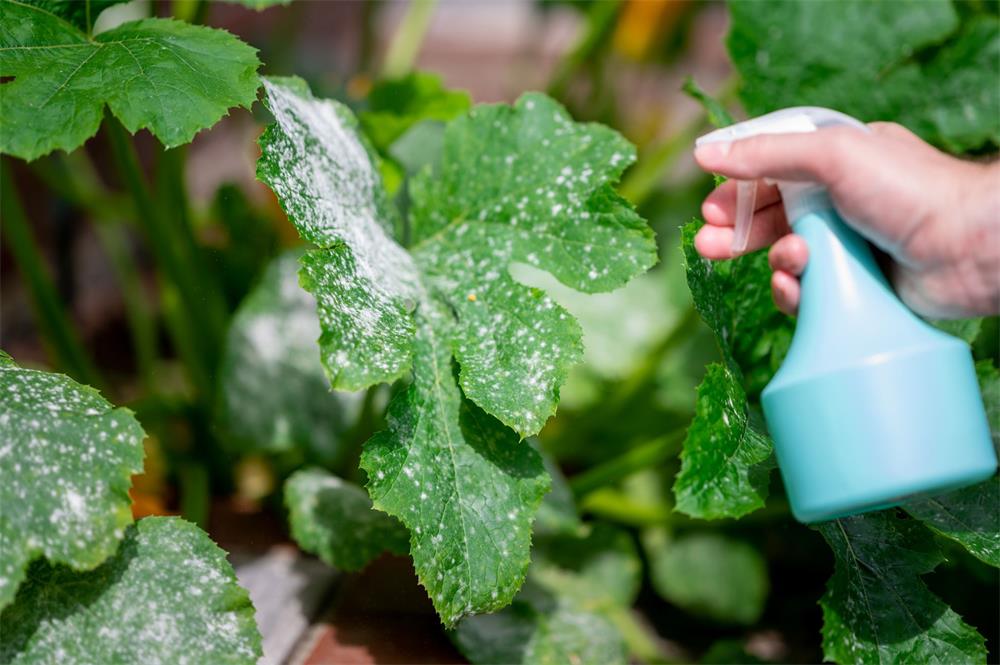
Powdery mildew is a common fungal disease that affects many plants, especially in humid and warm conditions. It appears as white or gray powdery patches on the leaves, stems, flowers, and fruits of the infected plants. It can reduce the plant’s vigor, photosynthesis, and yield, and in severe cases, it can cause leaf drop and plant death.
Fortunately, you can make a simple homemade...
Use Wire Mesh
Use Repellents
Plant Deeply and Clean Up
Apply Mulch Properly
Choose Resistant Bulbs
Conclusion
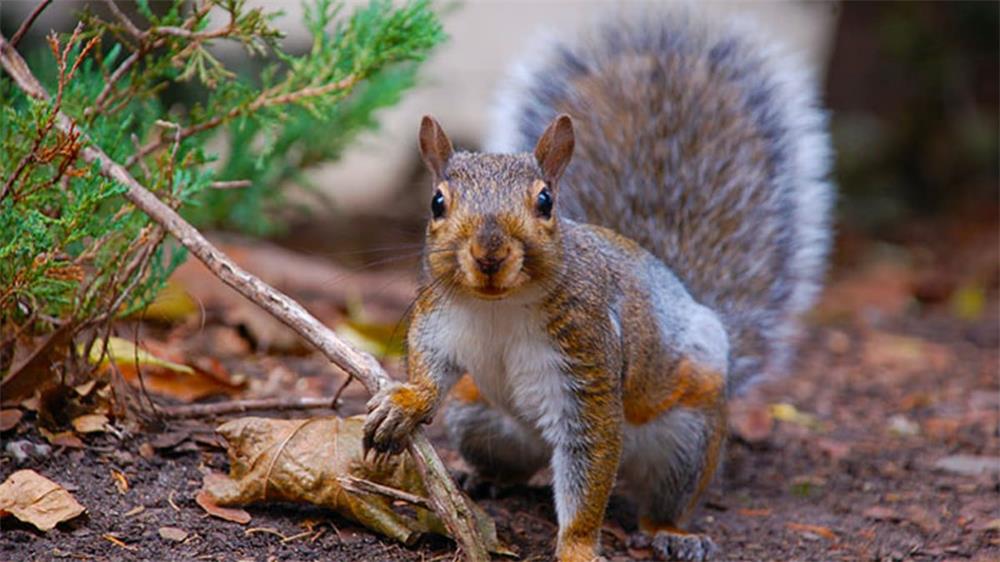
If you love planting spring-flowering bulbs such as tulips, crocuses, and hyacinths, you may have encountered a common problem: squirrels digging up and eating your bulbs. These furry rodents are notorious for raiding gardens and stealing the fruits of your labor. They can also damage your plants by chewing on the stems, leaves, and flowers.
Fortunately, there are some effective...
How to Identify Armyworms
How to Prevent Armyworms
How to Get Rid of Armyworms
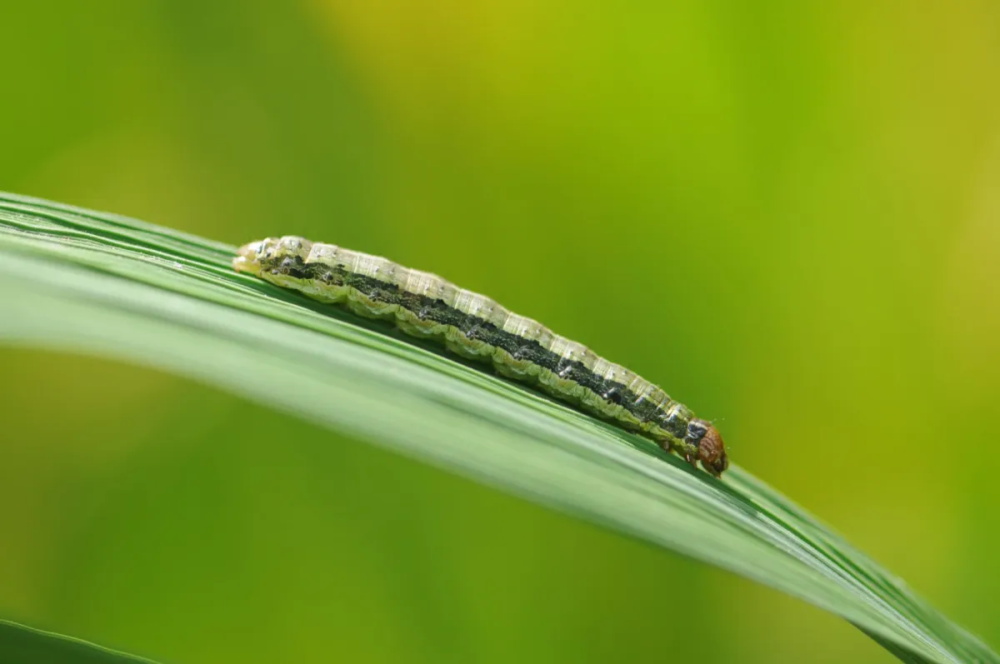
Armyworms are the larvae of moths that belong to the family Noctuidae. They are called armyworms because they move in large groups, feeding on grasses, vegetables, and other plants, and leaving behind bare soil². They can cause significant damage to crops and lawns in a short time.
There are different types of armyworms, such as fall armyworms, beet armyworms, and true armyworms. They have different colors and...

If you love gardening and dogs, you might face a dilemma: how to keep your furry friends from ruining your beautiful blooms. Dogs can cause a lot of damage to flower gardens, from digging and chewing on plants to urinating and defecating on flowers and around plants. This can not only harm your plants but also create a mess and an unpleasant odor.
Fortunately, there are some ways to prevent dogs from entering or damaging your flower gardens, without harming them or your plants. Here are some tips...
Fungal Diseases
Bacterial Diseases
Viral Diseases
Physiological Disorders
Conclusion
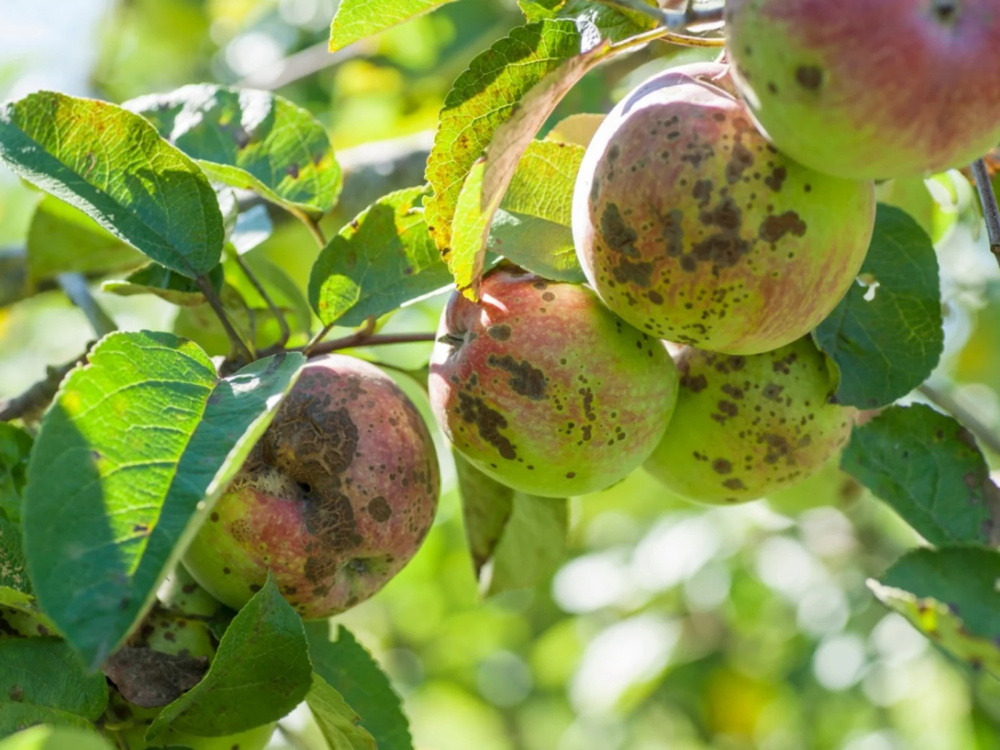
Apple trees are popular and rewarding choices for home gardeners who want to enjoy fresh, crisp, and juicy fruits. However, apple trees are also prone to various diseases that can affect their health, appearance, and productivity. Some diseases are caused by fungi, bacteria, viruses, or insects, while others are due to environmental or physiological factors. Knowing how to identify and treat common apple diseases...
1. Use Essential Oils
2. Make Fake Wasp Nests
3. Plant Wasp-Deterrent Herbs
4. Set Up Water Traps
5. Seal Wasp Entry Points
6. Remove Wasp Food Sources
7. Avoid Provoking Wasps
8. Hire a Professional
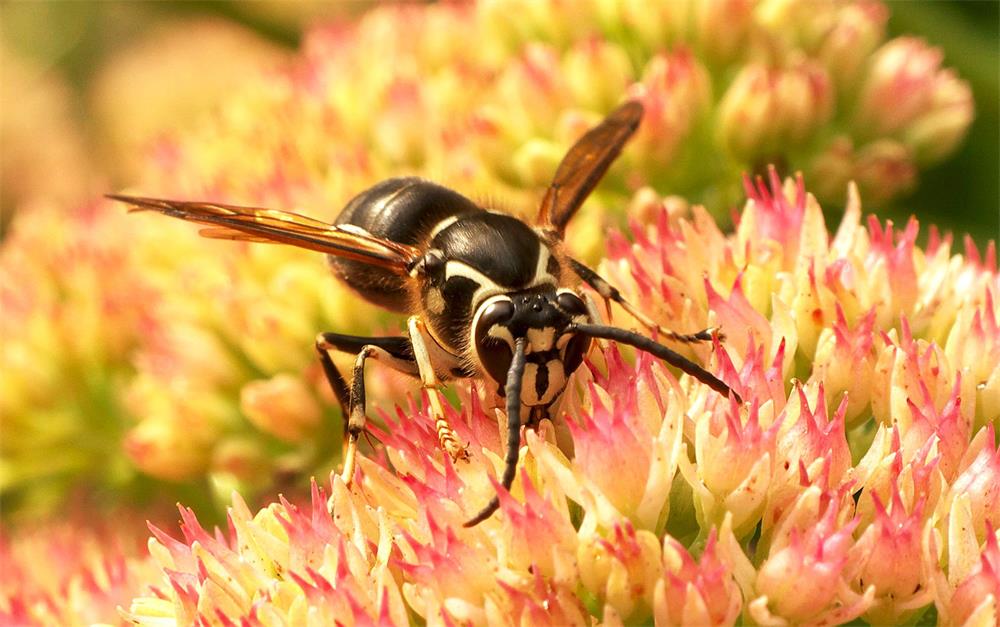
Wasps are unwelcome guests in any home or garden. They can sting, damage plants, and ruin your outdoor enjoyment. Fortunately, there are some natural ways to keep wasps away without using harmful chemicals. These tips include preventing wasps from nesting, attracting, or invading your space, as...